When a blank thermometer reads incorrectly, the error ripples through production lines, quality‑control labs, and safety checks, turning a simple measurement flaw into a costly industrial problem. In sectors where temperature is a proxy for product integrity—food, pharmaceuticals, chemicals, and HVAC—misreadings can trigger batch failures, regulatory penalties, and even safety hazards. This overview traces how inaccurate blank thermometers arise, quantifies their downstream effects, and outlines practical steps to safeguard operations.
Why Blank Thermometer Accuracy Matters
Blank thermometers, whether mercury‑in‑glass, bimetallic, or digital, are the baseline instruments for establishing temperature baselines before calibration or for spot‑checking processes that lack continuous monitoring. Their primary role is to confirm that no hidden offsets exist in the measurement chain. When that baseline is wrong, every subsequent reading inherits the error.
- Food and beverage processing: Precise heat treatment prevents microbial growth; a 2 °C deviation can shorten pasteurization time, risking spoilage.
- Pharmaceutical manufacturing: Active ingredient stability is temperature‑sensitive; inaccurate blanks can lead to out‑of‑specification batches.
- Petrochemical refining: Reactor temperature controls influence yield; errors can shift product distribution and increase energy consumption.
- HVAC and building management: Comfort set‑points and equipment protection rely on correct baseline readings; misreads waste energy and shorten component life.
How Inaccuracies Slip Into Operations
Understanding the pathways that introduce error helps target corrective actions. The typical discovery path follows four stages:
- Manufacturing tolerance: Even new thermometers leave the factory with a small but measurable offset, often within ±0.5 °C, which is acceptable only if verified.
- Calibration drift: Repeated heating‑cooling cycles cause sensor elements to shift, especially in analog devices.
- User handling: Improper storage, exposure to moisture, or mechanical shock can deform the sensing element.
- Environmental influence: Ambient pressure, altitude, and radiant heat sources bias readings if the instrument is not shielded.
Each stage introduces a cumulative risk that, if unchecked, renders the blank thermometer a source of systematic error rather than a reference point.
Economic and Safety Consequences
The financial ripple of a faulty blank thermometer is rarely limited to a single product run. Companies report hidden costs that quickly add up.
- Product loss: Mis‑temperatures can render entire batches unsellable, leading to waste that can exceed 10 % of production volume in perishable lines.
- Rework and downtime: Detecting a temperature deviation after processing forces a shutdown, cleaning, and repeat run—often at double the labor cost.
- Regulatory fines: Agencies such as the FDA or EPA audit temperature logs; undocumented offsets can trigger non‑compliance citations.
- Equipment damage: Over‑heating due to false low readings can degrade seals, sensors, and containment vessels, shortening asset life.
- Workplace safety: In chemical plants, an undetected temperature rise may lead to runaway reactions, endangering personnel.
Mitigation Strategies for Manufacturers and Users
Adopting a disciplined approach to blank thermometer management converts a hidden risk into a controllable variable.
- Scheduled calibration: Align calibration intervals with manufacturer recommendations and regulatory standards; document each cycle with traceable certificates.
- Reference standards: Keep a verified primary standard in a controlled environment; use it to cross‑check blanks before critical measurements.
- Environmental controls: Store thermometers in temperature‑stable, low‑humidity cabinets; avoid direct sunlight or drafts.
- Training programs: Ensure operators understand proper handling, zero‑point verification, and the significance of “blank” checks.
- Digital backup: Pair analog blanks with a calibrated data logger; compare readings to catch drift early.
Future Outlook and Industry Standards
Emerging sensor technologies and tighter standards promise to reduce reliance on traditional blanks. Integrated IoT temperature networks provide continuous, self‑calibrating data streams that flag anomalies in real time. Meanwhile, organizations such as the International Organization for Standardization (ISO) are drafting revisions to ISO 9001 clauses that specifically address baseline instrument validation. Early adopters that align their processes with these developments can expect lower error rates, reduced compliance risk, and smoother supply‑chain integration.
In the meantime, the pragmatic route remains clear: treat every blank thermometer as a potential weak link, verify it regularly, and embed verification into the standard operating procedure. By doing so, industries safeguard product quality, protect personnel, and preserve the bottom line against the silent cost of temperature inaccuracy.
Deep Impact (film) — Wikipédia

Deep Impact (film) — Wikipédia
Impact.com Leads Partnership Economy Growth In 2025

impact.com Leads Partnership Economy Growth in 2025
Impact Factor - Wikipedia
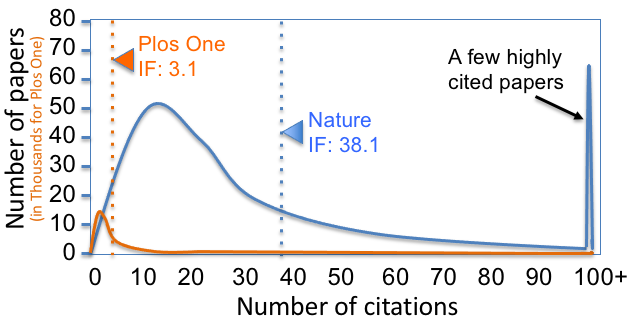
Impact factor - Wikipedia
NHESS - Effects Of The Impact Angle On The Coefficient Of Restitution
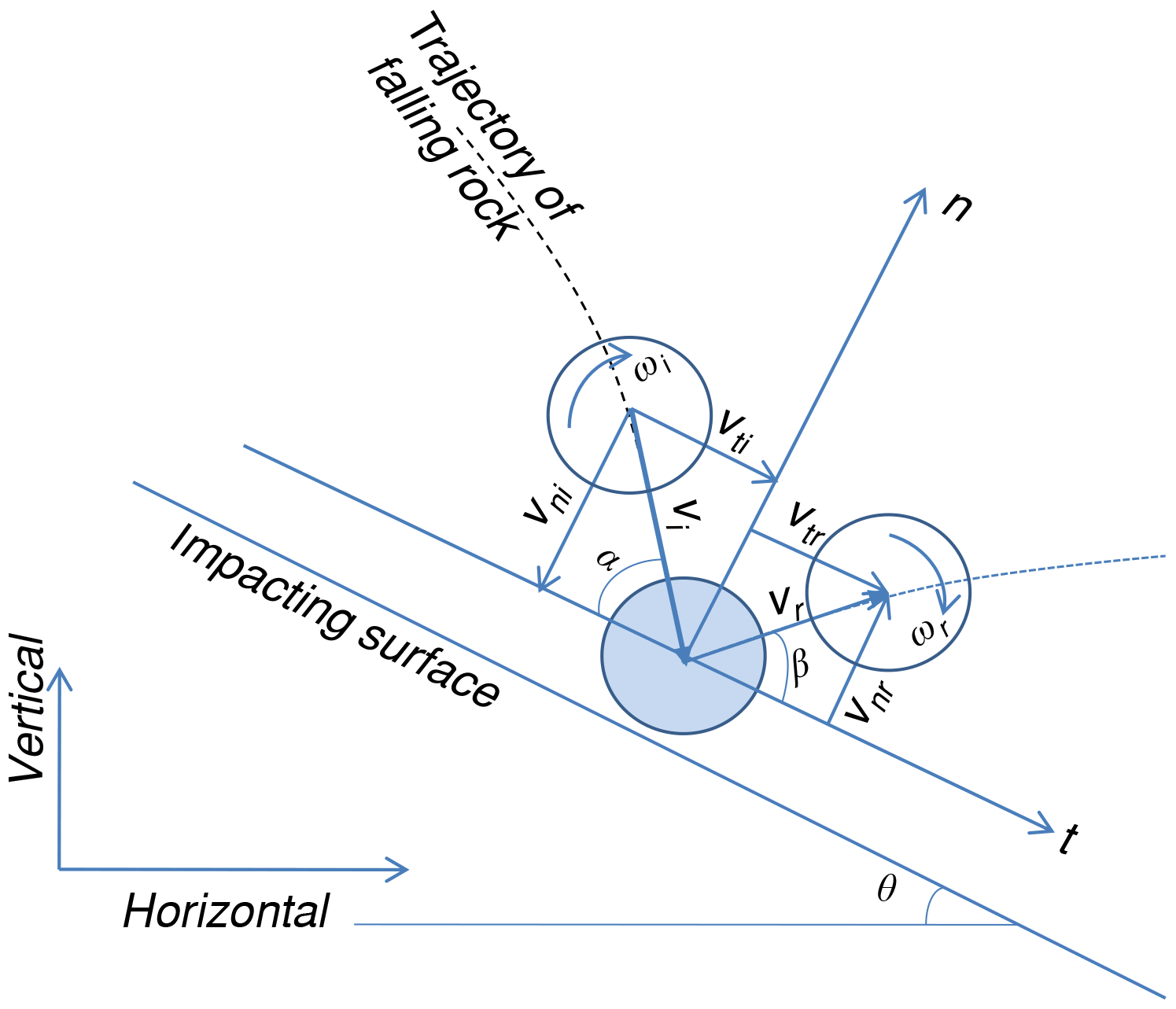
NHESS - Effects of the impact angle on the coefficient of restitution ...
The Human Impact On Nature Free Stock Photo - Public Domain Pictures

The Human Impact On Nature Free Stock Photo - Public Domain Pictures