
When a landlord signs a lease, the contract is more than a piece of paper—it is a legal shield that balances tenant expectations with property rights. In the United States, the shape of that shield varies from state to state, but the core principle remains: a well‑crafted rent agreement protects the landlord’s interests while clarifying responsibilities for both parties. If you’ve ever wondered why a detailed agreement feels like an extra chore, consider the scenarios below where a solid contract saved time, money, and legal headaches.
The Unexpected Eviction: A Case of Poor Documentation
A small‑business owner in Dallas signed a verbal lease with a new tenant. Two months later, the tenant stopped paying rent, citing “misunderstood terms.” Because no written agreement existed, the landlord had to file an eviction suit, incurring court costs and losing several days of occupancy. A properly drafted agreement that listed rent amounts, late‑fee policies, and the lease’s termination conditions would have provided a clear defense in court and possibly prevented the dispute altogether.
Maintenance Misalignments: When “No Clue” Costs You
In a multi‑unit apartment complex in Seattle, one tenant repeatedly requested repairs that fell under the landlord’s responsibility. Without a maintenance clause specifying responsibilities and response times, the landlord was forced to cover emergency repairs without recourse. A lease that clearly outlines who pays for routine and emergency maintenance—and how quickly the landlord must respond—helps avoid costly disputes and keeps tenant satisfaction high.
Choosing the Right Form: A Practical Checklist
- State Compliance – Verify that the template includes clauses required by local housing codes, such as security‑deposit limits and eviction procedures.
- Clarity of Terms – Ensure that rent, due dates, late‑fee calculations, and renewal options are written plainly to prevent ambiguity.
- Flexibility for Renovations – If you plan to upgrade units, include a clause that allows for rent adjustments or temporary rent reduction during renovation work.
- Security‑Deposit Safeguards – List the maximum deposit, conditions for its return, and a timeline to comply with state statutes.
- Dispute‑Resolution Pathways – Incorporate mediation or arbitration clauses to resolve conflicts without heading straight to court.
- Digital vs. Paper – Decide whether to keep a digital copy for easy access or to maintain a paper copy for legal purposes, ensuring both parties receive a signed version.
When to Use a Standard Template vs. a Custom Agreement
Most landlords find a reputable template sufficient for one‑family rentals or small commercial spaces. However, high‑value properties or those with unique terms—such as pet restrictions, shared utilities, or co‑tenant arrangements—benefit from a tailored document. A custom agreement can be drafted with a property‑management attorney or an online legal service that offers state‑specific language, guaranteeing that no loophole remains.
Impact on Property Management Efficiency
A robust rent agreement streamlines the onboarding of new tenants. Property managers can quickly review the lease to confirm that the tenant meets all prerequisites—such as proof of income and background checks—before moving in. Moreover, a clear contract reduces the time spent on answering tenant queries about obligations, freeing up the landlord to focus on maintenance, marketing, or expansion.
Legal Safeguard During an Uncertain Market
When rental markets shift, landlords may face sudden increases in vacancy rates or changes in tenant expectations. A lease that incorporates “rent‑adjustment” provisions—linked to inflation indexes or local market trends—allows landlords to adjust rents within a legally defined framework. This pre‑emptive measure protects revenue streams while maintaining compliance with anti‑price‑gouging statutes.
Conclusion: The Bottom Line
In the rental landscape, a well‑structured agreement is not merely a bureaucratic formality; it is a foundational tool that preempts conflict, aligns expectations, and preserves the property’s value. By selecting a form that matches your specific context, keeping it compliant with local law, and maintaining clarity on every clause, landlords can transform an administrative task into a strategic advantage. A solid rent agreement is the best way to ensure that the relationship with your tenant stays fair, transparent, and profitable for years to come.
You Understand – ドゥーユーアンダスタン _ Do You Understand Me?の意味・使い方・読み方 – DBLUK
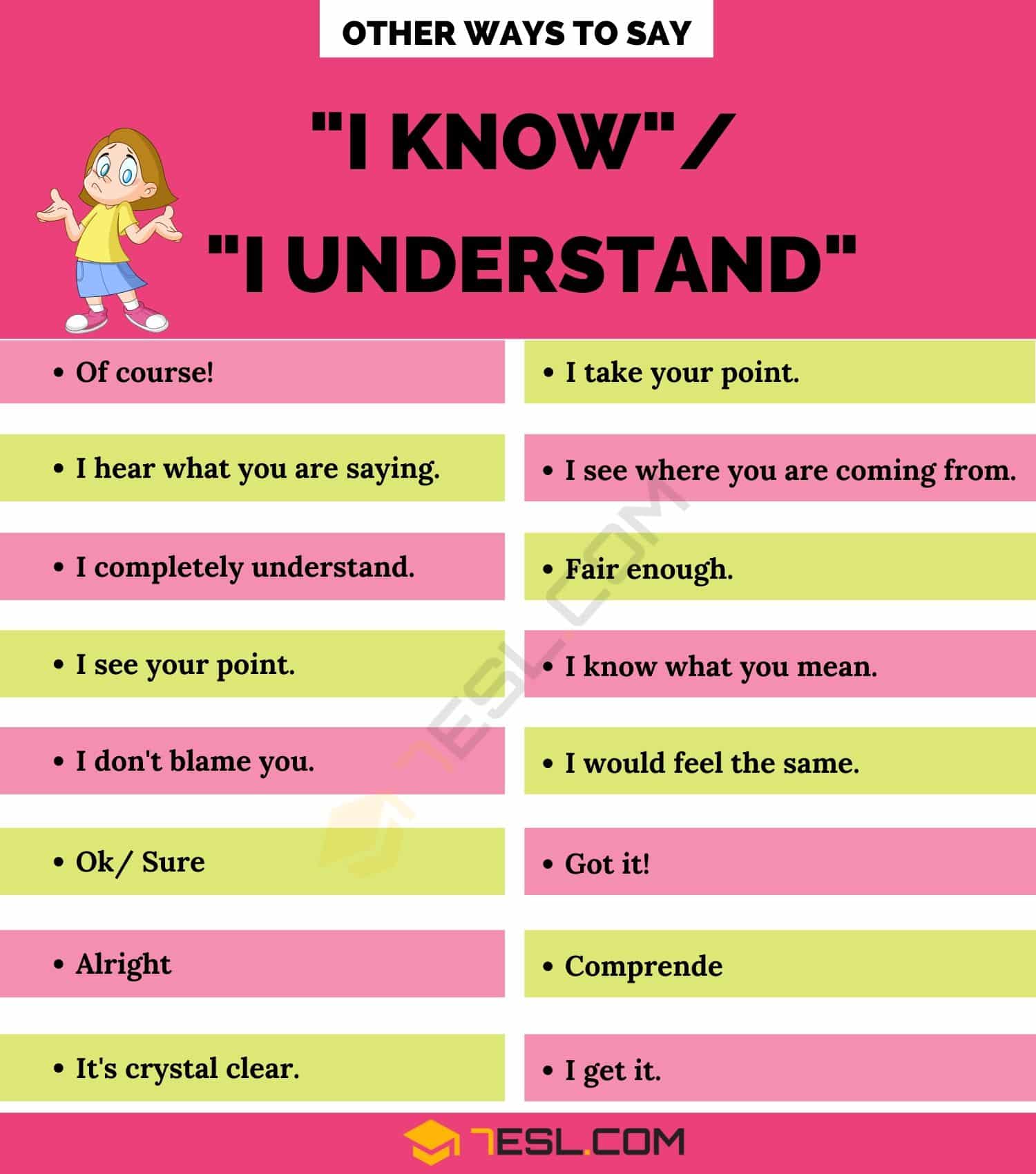
You Understand – ドゥーユーアンダスタン _ Do you understand me?の意味・使い方・読み方 – DBLUK
Understand Icon. The Black Understand Symbol Isolated On Background
Understand Icon. The Black Understand Symbol Isolated On Background ...
I Understand Clipart

I Understand Clipart
Understand Images

Understand Images