Landing a position with the Colorado state government requires more than a polished résumé. From layered background checks to state‑specific certification forms, the application process can be a labyrinth for even seasoned candidates. This guide distills the steps into a clear, comparison‑driven checklist that helps applicants navigate every requirement with confidence.
Why Colorado Jobs Stand Out
Colorado’s public sector demands a blend of general professional qualifications and state‑unique documentation. Unlike private‑sector jobs that often rely on a single résumé, state roles typically call for:
- Proof of eligibility to work in the U.S., including a state‑approved work‑authorization form.
- Detailed disclosure of criminal history and prior employment, submitted via the Colorado Employment Screening portal.
- Specific certifications or medical clearances, especially for positions in health care or emergency services.
- A compliance with the state’s “Statewide Application System” (SAS), which standardizes forms across agencies.
Step‑by‑Step: The Checklist in Action
1. Verify Your Eligibility
Before clicking “Submit,” confirm that your green card, citizenship, or other immigration status is current. Use the Colorado Department of Labor & Employment online tool to double‑check whether your documentation meets the latest requirements.
2. Gather Personal Identification
State applications insist on a government‑issued photo ID. A copy of a driver’s license or state ID, scanned in PDF, is typically required. Don’t overlook the need for a secondary ID for roles that handle sensitive information.
3. Complete the Core Application
- Fill out the SAS Application Form with accurate contact details and a brief cover letter tailored to the specific agency.
- Attach your résumé, ensuring that each bullet point reflects accomplishments that align with the job’s key responsibilities.
- Include a signed statement confirming that all information provided is truthful.
4. Submit Background‑Check Credentials
Colorado mandates a comprehensive background check that includes:
- Criminal history reports from the Colorado Bureau of Investigation (CBI).
- Employment verification from all previous positions held within the last decade.
- Financial integrity check if the role involves fiscal duties.
These documents are uploaded to the state’s secure portal; missing or delayed files can stall the review process for weeks.
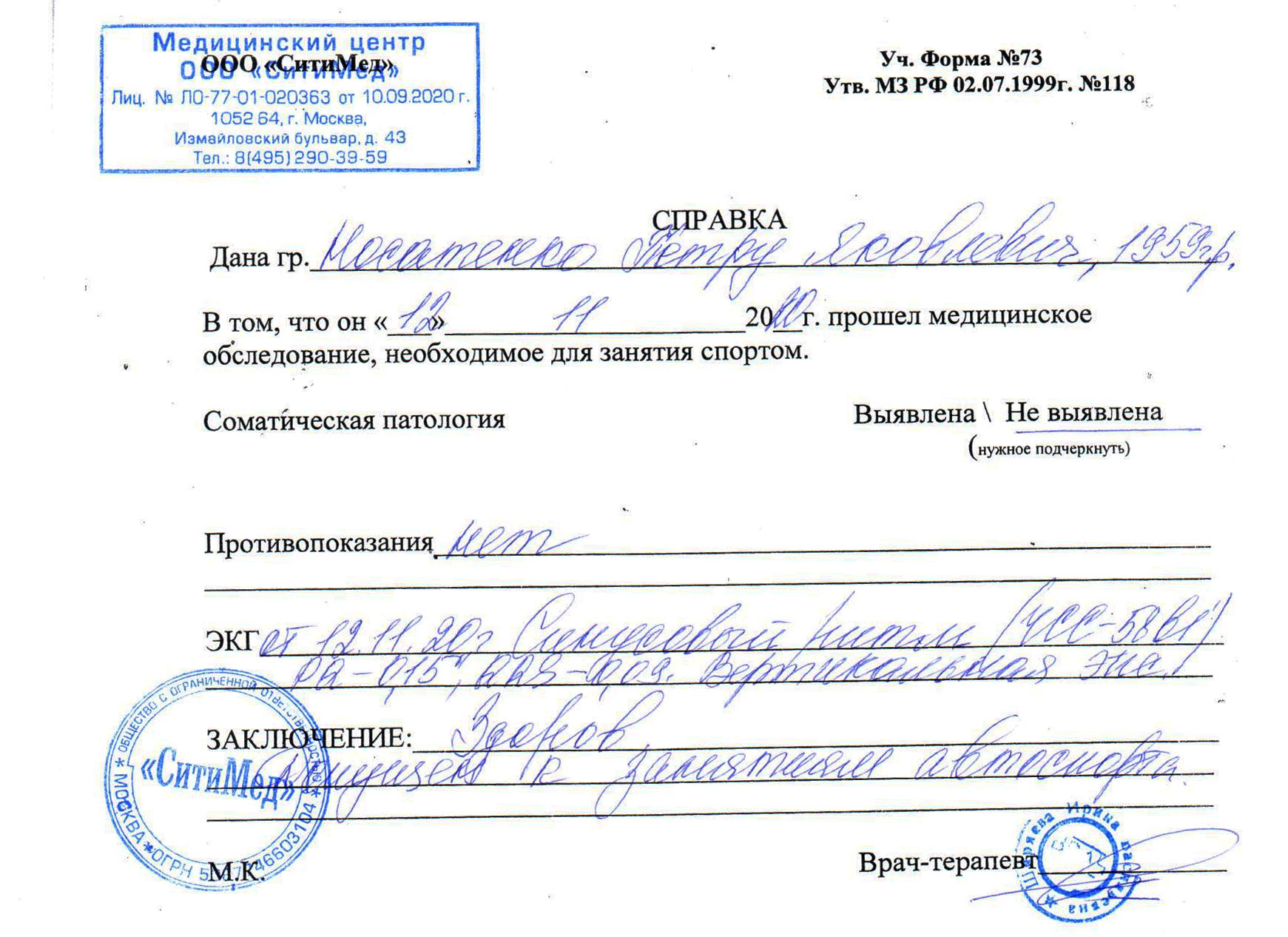
5. Secure Medical Documentation When Needed
Certain roles—especially in healthcare, transportation, or emergency services—require a current medical certificate. The attached image below showcases a typical template for such certificates in Colorado, illustrating the fields for vaccination records, physical assessment, and physician signature.
6. Verify Your State‑Specific Certifications
Public sector jobs often demand certifications beyond the ordinary. For example, a GIS analyst might need a Certified Geographic Information Systems Professional (GISP) title, while a public health officer must hold a state health licensing credential. Cross‑check your credentials against the agency’s published prerequisites.
7. Submit and Track Your Application
Once all pieces are in place, submit through the SAS portal. After submission, you’ll receive a confirmation email. Use the “Track Status” feature to monitor whether your application is in review, needs additional documentation, or has been shortlisted.
Practical Tips from the Field
- Double‑check formatting. State portals reject files that are not PDF‑only or exceed 5 MB.
- Use a checklist. Keep a printed version of this article’s steps and tick each one as you complete it.
- Plan for delays. Background checks can take 4–6 weeks; submit early to avoid missing hiring deadlines.
Implications for Career Growth
Successfully navigating Colorado’s application process opens doors to a variety of stable, well‑structured careers. The meticulous documentation ensures that all hires meet the highest standards of transparency and competence—qualities that resonate with employers nationwide. For hobbyists transitioning into professional roles, mastering these steps can accelerate entry into public service and provide a solid foundation for long‑term career development.